
Modular eFuels for data centers, shipping, and aviation.
Turning renewable power and captured CO₂ into clean, drop-in liquid fuels — distributed, fast to deploy, and built for the real world.
KP eFuels develops modular e-methanol and e-SAF projects that convert renewable electricity, water, and captured CO₂ into carbon-neutral liquid fuels. Our systems are designed for distributed deployment, colocated near stranded or curtailed renewable energy, close to where the fuel is needed most.
Our first commercial focus is data center energy resilience: modular e-methanol plants that replace diesel backup generators with a cleaner, storable alternative. The same platform scales to ports, maritime shipping, aviation, and off-grid industrial sites.
Unlike large centralized projects that stall on permitting and grid interconnection, KP eFuels delivers clean fuel infrastructure in 12–24 months, modular by design, replicable by intent.
WHY WE STAND OUT
-

Modular
Flexible, Scalable eFuels Production
KonsciousPlanet’s modular eFuels approach enables localized production of clean fuels like methanol and ammonia, offering a lower-cost and lower-risk alternative to large centralized refineries—ideal for port, industrial, and off-grid settings.
-

Economic
Distributed Fuel, Closer to Demand
KonsciousPlanet’s system is designed for small- to mid-scale production, situated near the point of use. This minimizes transport costs and infrastructure needs—improving fuel access while enhancing project economics and energy resilience.
-

Proven
Optimized Synthesis with Lower Energy Footprint
KonsciousPlanet integrates proven synthesis technologies that convert green hydrogen and captured carbon into drop-in eFuels. These advanced reactor systems operate with reduced utility loads, enabling lower OPEX and a smaller carbon footprint.
-

Dynamic
Flexible Operation Powered by Water, CO₂, and Renewables
KonsciousPlanet’s system utilizes renewable electricity to split water and produce green hydrogen.
Because solar and wind energy are inherently variable, the system is engineered for dynamic operation, allowing it to seamlessly adapt to fluctuations in power supply. This flexibility makes it ideally suited for deployment in real-world, renewable-powered environments.
“e-Fuels like methanol and SAF are the future of clean energy in shipping, aviation, and heavy industry-and now data centers."
What KP Enables:
✔️ Distributed eFuel Production
✔️ eMethanol as a Versatile Drop-In Fuel
✔️ Renewable Energy Storage via Liquid Fuels
✔️ Data Center Resilience & Decarbonization
✔️ Building the Green Molecule Economy
Why Now? The eFuel Market Is Accelerating
As renewable energy expands, clean electricity is increasingly curtailed or wasted due to limited storage and grid flexibility.
AI and cloud data centers are adding massive 24/7 load while still relying on diesel for backup and fossil fuels for peak power.
Fossil fuels are rising in cost - financially, environmentally, and reputationally.
Aviation and Maritime must adopt low-carbon fuels to meet global climate mandates.
Konscious Planet turns surplus renewable power into e-methanol and SAF—clean, export-ready molecules for the green economy.
Green Methanol: Fast-Growing eFuel Market

Source: Market Research Future
SAF: Structural Demand from Aviation

Source: Acumen Research and Consulting
Data Centers: Surging Power & Backup Needs
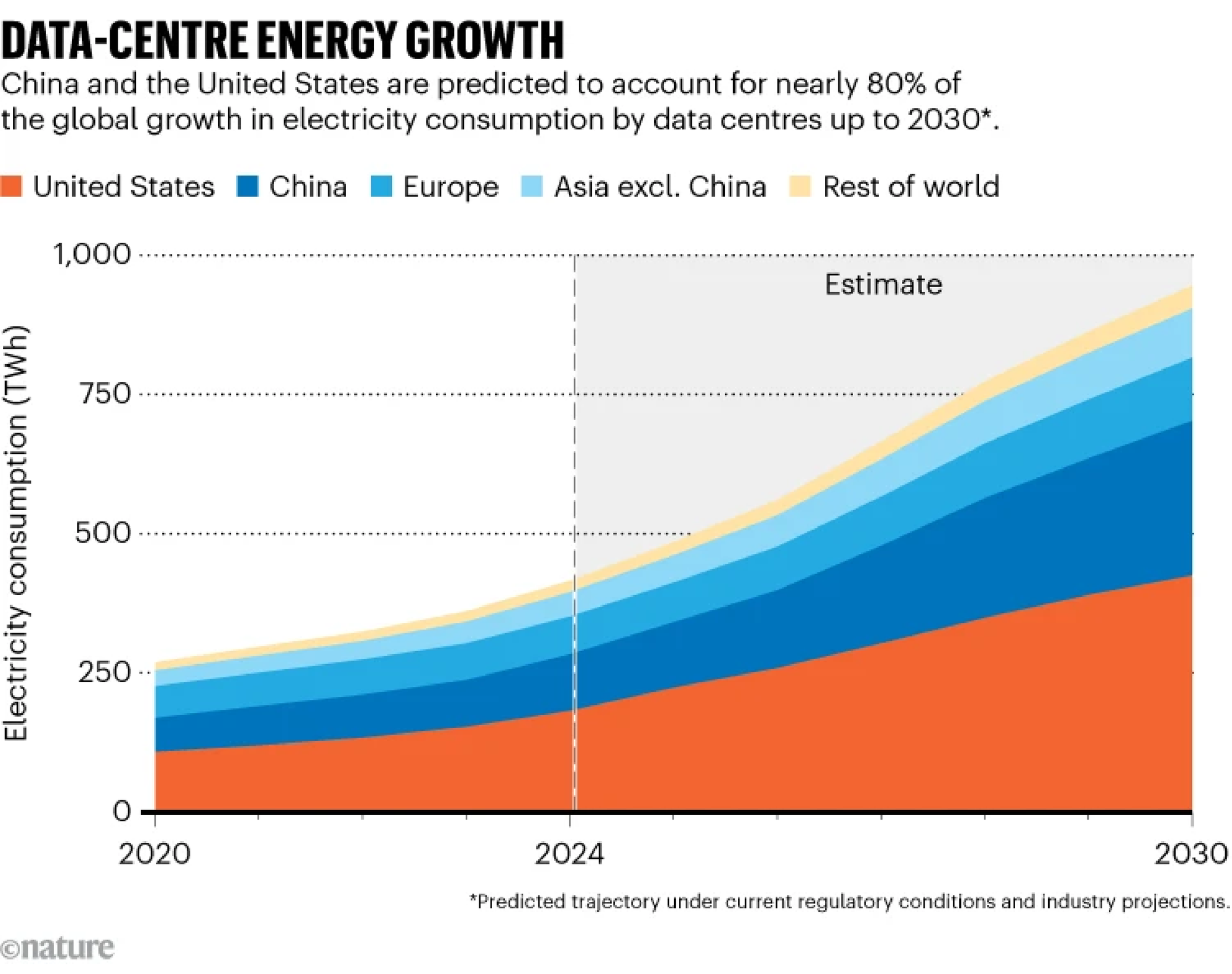
Source: IEA (CC BY 4.0)
These projections underscore the critical need for scalable, low-carbon liquid fuels like e-methanol and SAF to decarbonize data centers, shipping, aviation, and heavy industry.
Be Part of the Solution. Join Konscious Planet.
Sign up to be the first to know about our events.